Affiliate Partnerships Powering the Rise of Specialized Games in Britain's Regulated Gambling Landscape
Written by Sam Baumann · Oct 10, 2026
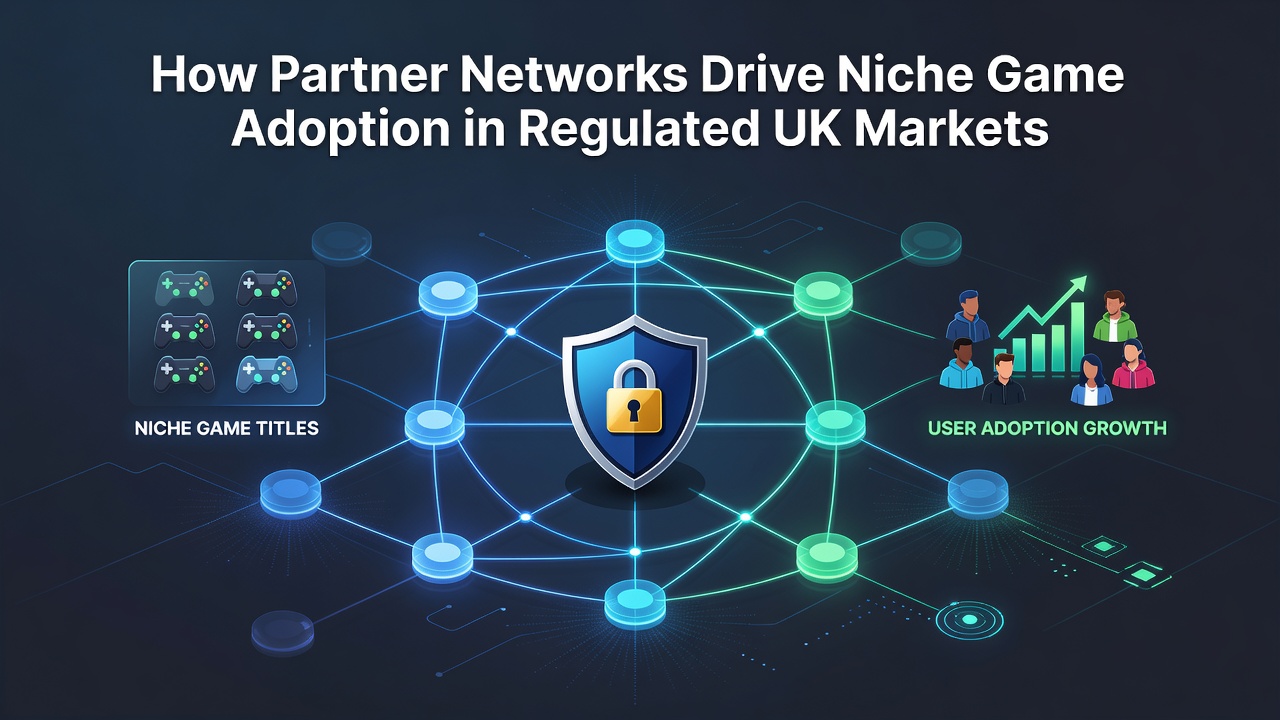
Affiliate Partnerships Powering the Rise of Specialized Games in Britain's Regulated Gambling Landscape
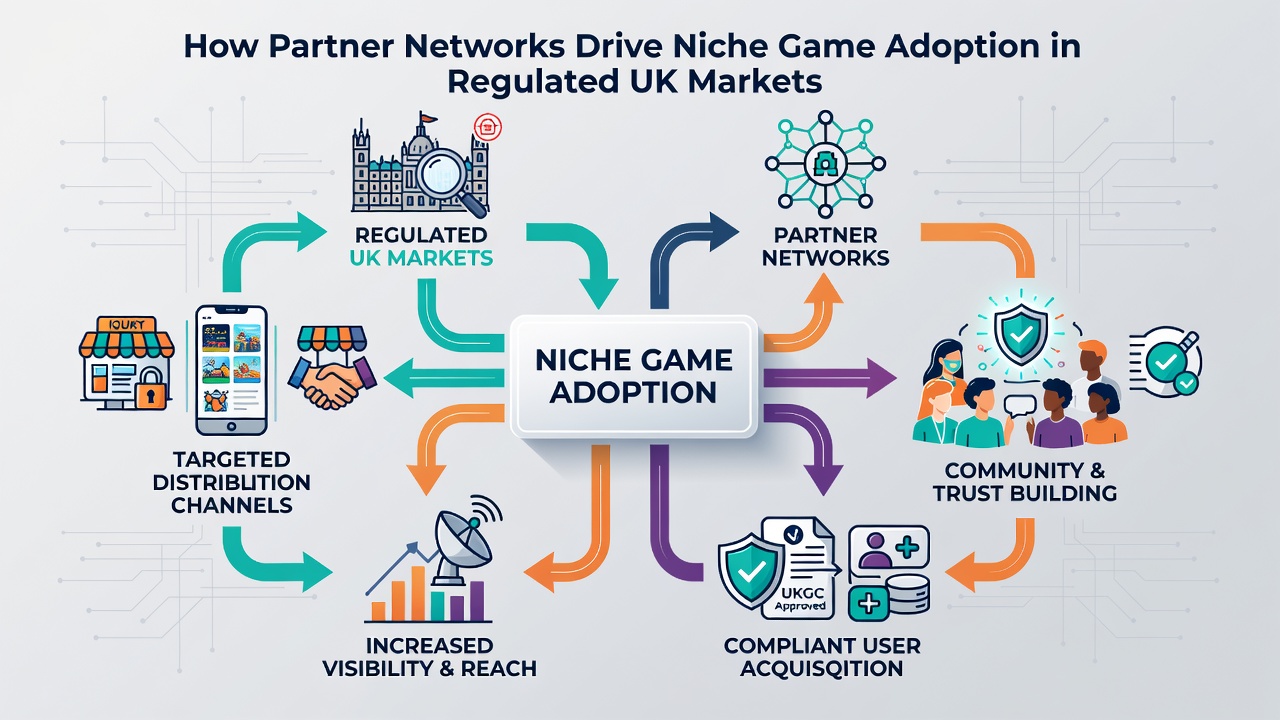
Partner networks have become central to how specialized games reach players in the UK's tightly controlled gambling environment, where operators must balance strict licensing rules with efforts to expand offerings beyond mainstream titles. Data from industry reports indicates that affiliate programs account for a significant share of traffic to platforms featuring less common options such as certain skill-based variants or themed table games, and this influence has grown steadily through 2026.
Those who track market trends note that these networks operate by connecting independent marketers with licensed operators, allowing targeted promotion of niche products while operators maintain compliance with advertising standards set by bodies like the Advertising Standards Authority. In October 2026, several UK-facing sites reported increased sign-ups for games including hybrid bingo formats and lesser-known card variants after coordinated campaigns run through established partner channels.
Mechanics of Network-Driven Promotion
Affiliates use data analytics to identify player segments interested in particular game types, then direct traffic through personalized content that highlights unique features without violating responsible gaming guidelines. Research from the European Gaming and Betting Association shows that such targeted approaches have lifted adoption rates for specialized titles by measurable margins compared to broad advertising alone, because the partnerships allow operators to test market response before committing full development resources.
Operators provide affiliates with tracking tools and revenue-share models that reward performance, which in turn encourages marketers to focus on games with higher retention potential. This structure creates a feedback loop where performance metrics from one campaign inform the next, and figures reveal that niche games promoted this way often achieve faster initial traction than those relying solely on operator-led marketing.
Regulatory Context Shaping Network Activity
UK regulations require all promotional activity to include clear risk disclosures and age gates, which partner networks integrate into their outreach methods to stay within legal boundaries. Observers note that this compliance focus has led networks to prioritize content that educates players about game mechanics rather than simple sign-up incentives, resulting in steadier engagement for specialized offerings.
Because the market demands transparency, affiliates frequently publish detailed guides on how specific games work, drawing from official rules and payout structures. This educational layer helps differentiate niche titles from saturated categories and supports longer-term player interest, as evidenced by retention statistics shared in sector analyses.
Case Examples of Successful Adoption
One documented pattern involves platforms introducing limited-time niche tournaments that affiliates promote through dedicated communities and email sequences. These campaigns have produced measurable spikes in participation for games such as progressive jackpot variants and strategy-focused card rooms, with operators reporting that affiliate-sourced players show higher average session lengths than those arriving through generic search channels.
Another instance centers on bingo-style games with regional themes or unique draw mechanics, where partner networks leverage seasonal events to build awareness. Data collected in mid-2026 indicated that coordinated affiliate pushes around such releases correlated with quicker integration into regular player rotations, particularly when the promotions included comparisons to more familiar formats.
Challenges and Adaptations Within Networks
Networks face ongoing pressure to adapt as regulatory updates tighten rules around bonus promotions and influencer content, prompting many to shift toward value-added materials like strategy breakdowns and live demonstrations. This evolution keeps promotional efforts aligned with compliance requirements while still highlighting the appeal of specialized games that might otherwise remain undiscovered.
Those monitoring the sector point out that successful networks maintain diversified portfolios, balancing mainstream traffic with dedicated pushes for emerging titles to mitigate risk from any single game category underperforming. Such diversification supports sustained growth even as player preferences shift across quarters.
Conclusion
Partner networks continue to serve as key conduits for introducing and sustaining interest in niche games within the UK's regulated framework, where compliance and performance incentives intersect. Through structured tracking, educational content, and targeted outreach, these systems have demonstrated consistent capacity to expand the range of games that gain meaningful player attention, with trends observed into late 2026 underscoring their ongoing relevance to market dynamics.